Orange, CA
city
1031 Exchange Support
Orange represents a historic Orange County market with strong commercial real estate values driving 1031 exchange activity. Investors selling Orange properties frequently seek replacement properties nationwide to achieve higher yields and diversification. Our Orange team provides nationwide replacement property identification support, coordinating with qualified intermediaries to ensure compliant exchanges within 45 day identification and 180 day closing deadlines. California transfer taxes apply to in-state property transfers, and Orange investors should budget for these costs when acquiring replacement properties within California.
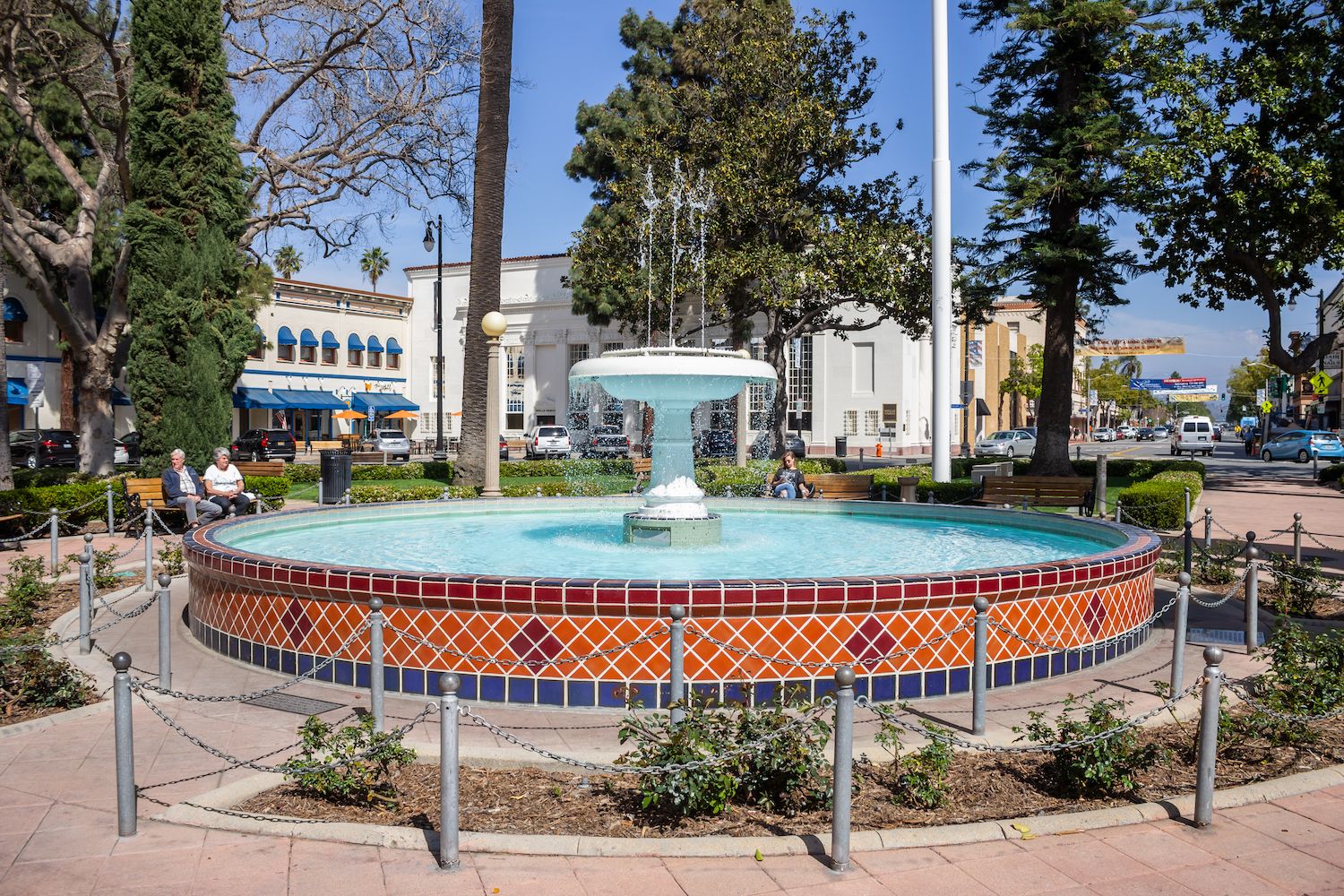
The city of Orange splits between the historic Old Towne plaza district, a retail corridor centered on The Outlets at Orange near the 22/57 interchange, and a mixed light-industrial base serving the surrounding area. An exchange buyer's diligence checklist looks meaningfully different depending on which of these zones a candidate sits in, from historic preservation review on one end to standard retail underwriting on the other.
Historic District Review Requirements For Old Towne Orange Storefronts
Old Towne Orange is a designated historic district, and any exterior alteration to a storefront within its boundaries, including signage, awnings, and window replacement, typically requires review by the city's historic preservation body before a permit is issued. A buyer planning even modest storefront changes should confirm the district's design guidelines before finalizing an identification decision, since a renovation plan built without that review can require redesign after purchase.
Mills Act Contracts And Their Effect On Property Tax Basis
Some Old Towne properties carry a Mills Act contract, which reduces the property's assessed value in exchange for the owner's commitment to maintain the building to historic preservation standards. A Mills Act contract runs with the land and transfers to a new owner, and its income-based assessment approach can produce a lower property tax bill than a straightforward Proposition 13 reassessment on transfer would otherwise create, though the owner takes on the ongoing preservation maintenance obligation that comes with it. Confirming whether a candidate carries an active Mills Act contract, and what maintenance standards it requires, should happen before the property is identified.
The contract's periodic review cycle with the city should also be checked for compliance history, since a Mills Act property found out of compliance at a scheduled review can face contract cancellation and a retroactive tax adjustment. A buyer inheriting a contract in good standing avoids that exposure, but only if the compliance history is actually reviewed rather than assumed from the contract's continued existence.
Property Types An Orange Exchange Buyer Will Encounter
Orange's inventory reflects its three commercial zones:
- historic storefronts in Old Towne, some under Mills Act contract
- big-box and outlet-format retail near the 22/57 interchange
- freestanding restaurant pads along retail corridors serving outlet-district traffic
- light-industrial and flex buildings in the city's outer commercial zones
A buyer should weigh the preservation obligations of an Old Towne property against the more standard underwriting profile of an outlet-adjacent retail candidate before deciding which fits the exchange better.
Outlet And Big-Box Retail Specifications Near The 22/57 Interchange
Retail buildings near The Outlets at Orange were largely built to modern big-box and outlet-format specifications, with clear-span structural steel, higher parking ratios than the historic district can support, and loading configurations designed for regular delivery traffic. These buildings generally carry fewer condition surprises than Old Towne's older stock, though a buyer should still confirm roof membrane age and any deferred maintenance on rooftop mechanical units before closing.
Common-area maintenance obligations at a multi-tenant outlet property are typically governed by a reciprocal easement agreement recorded against the larger center, and a buyer should review that document alongside the individual lease to confirm which capital repairs, such as parking lot resurfacing or roof replacement on a shared structure, are the responsibility of the parcel owner versus the broader center's ownership group.
Coordination Sequence For An Orange Closing
Once a candidate is under contract, Mills Act or historic district status, where applicable, should be documented and forwarded to the lender and qualified intermediary right away, since a lender unfamiliar with the Mills Act's tax treatment may need additional time to complete underwriting. Starting that conversation early keeps the 180-day exchange period from being compressed by an unfamiliar tax structure late in the process.
Where the candidate sits in the outlet-district corridor instead, the reciprocal easement agreement and current common-area budget should be requested at the same stage, giving the lender a documented basis for the property's operating expense assumptions rather than a broker's estimate.
Popular Paths for Orange Investors
Services and property types frequently paired with Orange exchanges.
Sale Leaseback Advisory
Orange investors benefit from sale leaseback advisory sourcing corporate sale leaseback opportunities with structured rent escalations. This service provides access to institutional-quality replacement properties with corporate credit tenants.
View Service →Ground Lease Outparcel
Ground lease outparcels provide bond-like income with minimal management, making them attractive replacement properties for Orange investors seeking passive income streams. These properties offer stable NNN income and are available nationwide.
View Property Type →Zero Cash Flow Navigation
Orange investors benefit from zero cash flow navigation structuring ZCF and DST pairings. This service minimizes cash outlay while maintaining tax deferral benefits, supporting investor cash flow goals.
View Service →Pharmacy
Pharmacy properties offer investment-grade credit tenants and defensive cash flow, making them attractive replacement properties for Orange investors. These properties are available nationwide and provide stable NNN income streams.
View Property Type →Cap Rate Benchmarking
Orange investors require cap rate validation before identifying replacement properties. Cap rate benchmarking provides market comparables and yield analysis ensuring replacement properties are priced appropriately and meet yield targets.
View Service →Drive Thru QSR
Drive-thru QSR properties provide stable NNN income with national credit tenants, making them popular replacement property choices for Orange investors. These properties offer predictable cash flow and are available nationwide.
View Property Type →Orange FAQs
Do storefront renovations in Old Towne Orange require special approval?
Yes. Exterior alterations including signage, awnings, and window replacement typically require historic preservation review before a permit is issued, so confirming the district's design guidelines before finalizing an identification decision can avoid a required redesign after purchase closes.
What happens to a Mills Act contract when an Old Towne property is sold?
The contract runs with the land and transfers to the new owner, who takes on the ongoing preservation maintenance obligation along with the reduced, income-based property tax assessment the contract provides, so reviewing the compliance history before closing is worthwhile.
What kinds of property are available to buy in Orange?
Historic storefronts in Old Towne, some under Mills Act contract, big-box and outlet-format retail near the 22/57 interchange, restaurant pads serving outlet-district traffic, and light-industrial and flex buildings in the city's outer commercial zones.
Are outlet-district retail buildings generally easier to underwrite than Old Towne storefronts?
Often yes, since they were built to modern specifications with fewer condition surprises, though roof membrane age, rooftop mechanical maintenance, and the reciprocal easement agreement's common-area obligations are still worth confirming before closing.
Why might an Orange closing take longer when a Mills Act contract is involved?
A lender unfamiliar with the Mills Act's income-based tax treatment may need additional time to complete underwriting, so documenting the contract's terms and forwarding them early helps protect the 180-day exchange period.
Example of the type of engagement we can handle
Example Capability
Location:
Orange, CA
Situation:
Investor closing on Orange commercial property seeking nationwide replacement property identification
Our approach:
Provided nationwide replacement property search, coordinated qualified intermediary setup, identified three single tenant NNN retail properties in Texas and Florida, tracked 45 day identification deadline, managed 180 day closing timeline
Expected outcome:
Three replacement properties identified within deadline, underwriting completed, closing coordination in progress for successful exchange completion
Need Orange replacement options?
Send a secure intake brief and we will deliver a localized shortlist plus timeline confirmation.